Our Services: Cultivating the Path
Prayer Services
Regular Sunday Group Practice: Purifying the Three Karmas
Every Sunday from 10:00 am to 12:15 pm, our prayer services are led by our Abbot, Venerable Gu Ru. These sessions are dedicated to purifying the three karmas of body, speech, and mind. During these weekly practices, we chant one of the following sacred texts:
The Three Sutras (三經)
- The Amitabha Sutra / Perfect Penetration of Mindfulness of Buddha
- The Universal Door of Avalokitesvara Bodhisattva
- The Diamond Sutra
The Repentance Sutras
- The Great Compassion Repentance Service
- The 88 Buddhas Repentance Service
- Samantabhadra Bodhisattva's Vows
The Blessings Sutras
- Blessings Prayer for living beings
- Memorial Prayers for the deceased
Special Prayers on Key Dates: Spreading Compassion & Dedicating Merit


To commemorate significant dates in the Buddhist calendar, we hold special prayer services led by our Abbot,Venerable Gu Ru. These sacred assemblies are conducted under the spiritual guidance of Venerable Sek Meow Ee, who serves as our Special Advisor. This guidance ensures that every service fully aligns with the Monastery’s vision and mission.
Depending on the scale of the Dharma Assembly, these sessions may run for a half-day (9:00 am to 12:15 pm) or extend over multiple days. On selected auspicious occasions, we integrate the Grand Offering of Vegetarian Food
to the Triple Gem (上堂大齋).
The following sutras, repentance ceremonies, and rituals are chanted during these special events:
Extended Multi-Day Assemblies and Grand Rituals
- The Avatamsaka Sutra Recitation Dharma Assembly (18 days)
- The Grand and Vast Avatamsaka Repentance Ceremony (2 days)
- The Emperor Liang Repentance Service (4 days)
- Homage to 10,000 Buddhas Assembly (10 days)
- Homage to 3,000 Buddhas Assembly (3 days)
- Homage to 1,000 Buddhas Ceremony
Pureland and Karmic Obstacle Elimination Services
- Sutra of Immeasurable Life (Infinite Life Sutra)
- Contemplation Sutra of Immeasurable Life
- The Compassionate Samadhi Water Repentance & The Yogacara Ulka-mukha (Flaming Mouth) Puja Dharma Service
- The Repentance Service of Ksitigarbha Bodhisattva & The Yogacara Ulka-mukha (Flaming Mouth) Puja Dharma Service
- Offering Food Ritual at Damengshan (Meng Shan Food Offering)
Bodhisattva Vows & Specific Repentance Ceremonies
- Samantabhadra Bodhisattva's Vows
- The Repentance Service of Mahayana Vajra Prajna
- The Repentance Service of Medicine Buddha
- The Repentance Service of Avalokitesvara Bodhisattva
Maitreya Bodhisattva Cycle of Sutras
- The Buddha Speaks the Contemplation of Maitreya Bodhisattva Ascending to the Tusita Heaven Sutra
- Buddha Pronounces the Sūtra of Maitreya Bodhisattva’s Attainment of Buddhahood
- The Sutra of the Descent of Maitreya
我們的服務:修途願行與法會服務
星期日定期共修:淨化三業
每週日日上午 10:00 至中午 12:15,我們的共修法會由住持上古下如大和尚親自帶領。共修專注於淨化身、口、意三業。在每週的共修中,我們將恭誦以下大乘尊經之一:
三部經典(三經)
- 阿彌陀經/大勢至菩薩念佛圓通章
- 觀世音菩薩普門品
- 金剛經
懺悔法門
- 大悲懺法會
- 八十八佛洪名寶懺
- 華嚴經普賢菩薩行願品
祈福與超薦經典
- 延生普佛
- 往生普佛
諸佛菩薩聖誕與重要節日法會:廣修悲心・功德迴向
為紀念佛教日曆中的重要吉日,本寺由住持上古下如大和尚親自主持特設祈福法會。此等神聖法會皆在特別顧問上妙下義大和尚的導師精神引領下進行,以確保每場法會全然契合本寺的願景與使命。
根據法會規模,儀軌可能為期半日(上午 9:00 至中午 12:15)或連續數日。於特定吉祥吉慶之日,我們亦將設辦上堂大齋酬謝供養三寶。
於各項大法會期間,將恭誦以下經懺與舉行特殊儀軌:
大型多日法會與大型儀軌
- 大方廣佛華嚴經誦經法會(18日)
- 大方廣佛華嚴寶懺》洪名寶懺(2日)
- 慈悲梁皇寶懺法會 (4日)
- 萬佛洪名寶懺大法會(10日)
- 三千佛洪名寶懺大法會(3日)
- 千佛洪名寶懺法會
淨土與消障法會服務
- 佛說無量壽經
- 佛說觀無量壽佛經
- 慈悲三昧水懺和暨瑜伽焰口施食法會
- 地藏菩薩本願經和暨瑜伽焰口施食法會
- 大蒙山施食儀軌
菩薩願海與特定懺儀
- 華嚴經普賢菩薩行願品
- 大乘金剛般若寶懺
- 慈悲藥師寶懺
- 慈悲觀音寶懺
彌勒菩薩系列經典
- 佛說觀彌勒菩薩上生兜率天經
- 佛說彌勒下生成佛經
- 佛說彌勒下生經
The Emperor Liang Repentance Ceremony: The Meritorious Significance of Praying for the Living (Shòu Shēng Gōng Dé)
In East Asian Buddhist temples (such as during large repentance assemblies like the Emperor Liang Repentance Ceremony), 受生功德 is used practically as a term for spiritual registrations or blessing plaques dedicated to living people.
Monasteries often categorize their merit-making options into two groups:
- 往生功德(Wǎng Shēng Gōng Dé): Merits dedicated to the deceased, praying for their smooth transition into the Pureland. It also helps dissolve past negative karma that might otherwise trap or weigh down the consciousness of the deceased. (This is an intense act of filial piety – using your own physical energy and voice to clear their path towards the Pureland.)
- 受生功德(Shòu Shēng Gōng Dé): Merits dedicated to the living (yourself, family, or friends) to bless their current lifetime.
When someone contributes to a temple under a Shòu Shēng Gōng Dé registration, they are participating in karmic merit-making to achieve the following:
Goal Description
Karmic Debt Resolution Purifying or "repaying" unseen spiritual or karmic debts accrued
from past lives (受生债).
Obstacle Elimination Dispelling immediate misfortunes, illness, or bad luck in the current life.
Longevity & Protection Generating protective karma for peace, health, and a smooth journey ahead.
While many people associate the Emperor Liang Repentance (梁皇寶懺) with helping the deceased, it is designed to be incredibly powerful for living beings to resolve immediate obstacles, clear karmic debts, and change their current life path.
In fact, according to Buddhist doctrine, the living benefit far more from this ceremony than the dead. In the Ksitigarbha Sutra, it is taught that when we create merits for others, the person performing the deeds gets six-tenths of the merit, while the dedicated recipient receives only one-tenth.
Here is exactly how chanting this text helps living beings resolve life obstacles:
- The Core Mechanism: Radical Honesty & Regret
The text acts as a mirror for the soul. It does not just ask a deity to wipe away bad luck; it guides the living person through a systematic process of prostrating, recognizing, and admitting specific negative actions (such as greed, anger, or malicious speech).
- Psychological Relief:Admitting mistakes out loud cuts through deep-seated guilt and subconscious blockages.
- Karmic Disruption:In Buddhism, a negative karmic seed cannot easily ripen if it is completely exposed and repented for with absolute sincerity. This directly defuses impending misfortunes or obstacles in your career, health, or relationships.
- Untying "Karmic Knots" (解冤釋結)
A major portion of the liturgy is dedicated to reconciling with unseen creditors and people we have harmed in this or past lives.
- Living obstacles—like sudden financial losses, chronic unexplainable illnesses, or toxic relationships—are often viewed as the ripening of past grievances.
- By chanting this, you are formally apologizing to those you've wronged and sharing your merits with them, effectively "paying off" your spiritual debts.
- Cultivating the "Mind of Bodhicitta"
The text shifts your focus away from your own problems. It forces the chanter to vow to save all sentient beings, including those in the hell realms, animal realms, and hungry ghost realms. By expanding your mind from "Please fix my personal problems" to "May all suffering beings be free," your personal energy and aura shift completely. This massive generation of merit naturally dissolves minor personal obstacles.
The Emperor Liang Repentance (梁皇寶懺) is an incredibly powerful spiritual commitment. Because this liturgy is so extensive—spanning 10 chapters and involving over a thousand prostrations—it is often described as the "King of Repentance Texts" in East Asian Buddhism.
It was compiled during the Liang Dynasty by Emperor Wu for his deceased wife, Empress Chi Hui, who had been reborn as a giant python due to her jealousy and negative karma during her lifetime. Through the immense merit generated by practicing this repentance ritual, she was successfully liberated from the lower realms and ascended to the heavens.
Chanting this text in full requires immense focus, physical endurance, and sincerity. To help you get the most out of your upcoming assembly, here is what you can expect and how to mentally prepare for the text itself.
Structure of the Repentance
The text is systematically organised to help you untie your personal obstacles step-by-step:
- Chapters 1 to 2 (Awakening & Disruption):You will chant about generating a faithful heart, recognising your faults, and taking refuge. This is where you lay your ego down and prepare to face your karmic history.
- Chapters 3 to 6 (Clearing the Debts):This is the core "obstacle-removing" section. You will actively repent for negative karma created through actions, speech, and thoughts. You will also formally pray for the untying of grievances (解冤釋結) with past enemies, debtors, and those you have hurt.
- Chapters 7 to 10 (Rebirth & Ultimate Merit):Once the negative space is cleared, the text guides you to rejoice in the merits of others, make grand vows (發願), and dedicate the massive pool of positive energy to all living beings, ensuring your own obstacles dissolve in the process.
How to Mindfully Approach the Chant
- Treat it as a Conversation, not a Script:The text is beautifully written as a direct dialogue and plea to the Buddhas. As you chant the words, try to understand their meaning rather than just matching the tempo of the wooden fish (Muyu).
- The Power is in the Bows:Every time you hear the name of a Buddha or Bodhisattva, the assembly will bow. Each prostration represents the humbling of the stubborn ego—which is the root cause of all our life obstacles. If your knees or back get tired, a sincere bow with joined palms (Anjali) carries the exact same spiritual weight as a full prostration.
- Expect Emotional Clearance:Do not be surprised if you feel a wave of emotion, exhaustion, or even tears during the chapters on resolving grievances (Chapters 5 and 6). This is a completely normal sign of karmic purification and emotional release.
By focusing entirely on this repentance, you are doing deep cleaning for your mind and your life's path.
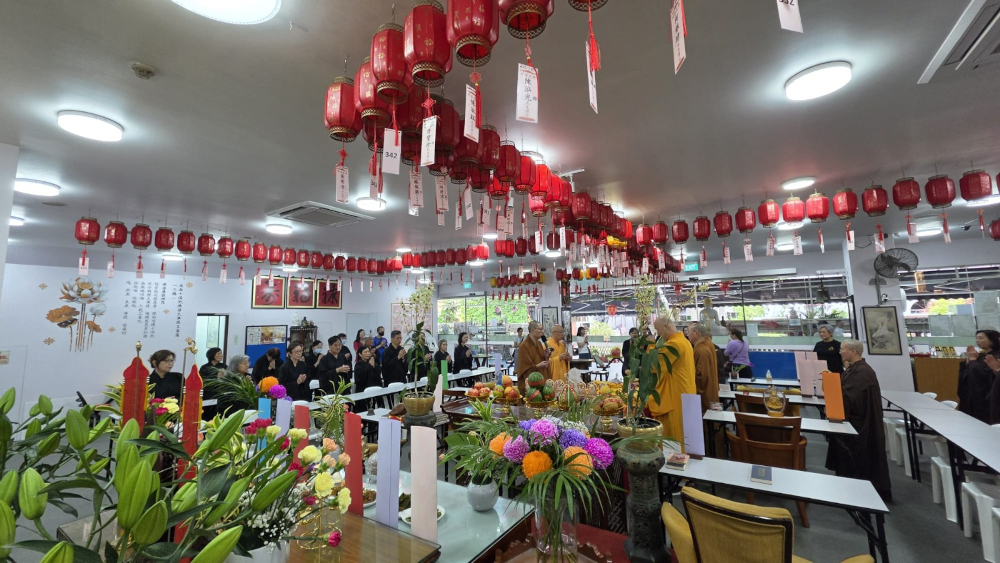
A Typical 4-day Schedule and Visualization Guide for the Emperor Liang Jeweled Repentance Ceremony
Opening remarks Pre- ceremony
The Emperor Liang Repentance Ritual is far more than a traditional ceremony for the deceased; it is a profound journey of deep cleansing, radical honesty, and spiritual reconciliation for the living. By systematically guiding participants to face their past mistakes, untie karmic grievances, and secure cosmic protection, this 4-day assembly serves as an incredibly powerful catalyst for changing one's current life path. Armed with a comprehensive understanding of the text's structure and the underlying Buddhist doctrines, we are now fully equipped to approach the upcoming retreat at Leong Hwa Monastery with the absolute clarity, deep gratitude, and sincere focus needed to maximize its boundless spiritual benefits.
Day 1: Scrolls 1, 2, and 3
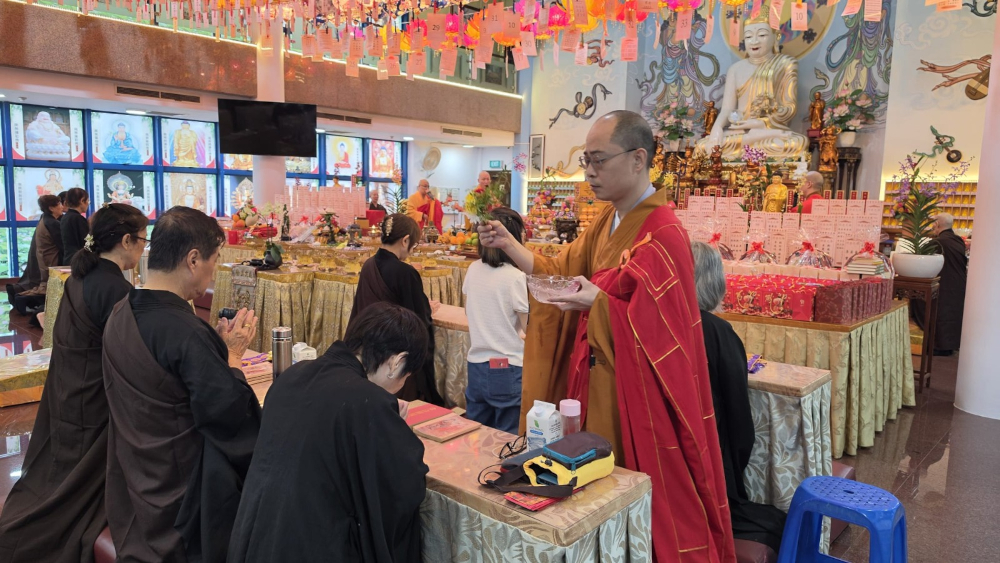
- 9:00am – 9:40am:Jìng Tán (淨壇) – The Purification of the Altar This is a beautiful opening ritual where the monks purify the space. It is a great time to settle your mind.
Phase 1: Cleaning the Mirror (Scrolls 1 & 2) This phase is about preparing your mind, breaking down your ego, and building the courage to face your mistakes.
- 10:00am – 11:00am:Scroll 1 (第一卷) – Setting your refuge and foundation.
Scroll 1: Taking Refuge and Cutting Off Doubts
* The Theme: Setting up a safe space.
* The Meaning: You start by deeply taking refuge in the Buddhas, Bodhisattvas, and the Dharma. You vow to let go of scepticism and build an unshakable trust that your mind can be purified. You also generate the Bodhicitta (the mind of enlightenment), promising to do this not just for yourself, but for everyone.
- 1:30pm – 2:30pm:Scroll 2 (第二卷) – Deep confession, facing pride and ego.
Scroll 2: Admitting Faults and Letting Go of Arrogance
The Theme: Stripping away the ego.
The Meaning: This is where the actual confession begins. You openly acknowledge that you have made countless mistakes out of ignorance, greed, and anger throughout your lives. You humble yourself completely before the Buddhas to wash away hidden guilt and pride.
Phase 2: Resolving the Karma (Scrolls 3 to 6) This is the core "obstacle-removing" phase. It focuses entirely on tracing how bad karma is formed and actively breaking the invisible strings of past grievances.
- 50 pm – 3.50 pm:Scroll 3 (第三卷) – Looking at karma and cause-and-effect.
Scroll 3: Understanding Cause and Effect (Karma)
The Theme: The cosmic ledger.
The Meaning: The text explains how specific bad actions lead to specific types of suffering (e.g., how harsh speech leads to bad relationships, or greed leads to poverty). By understanding this law, you learn why you are currently facing obstacles.
Mental Focus for Day 1: Deep cleaning and honest reflection
Day 2: Saturday, 7/11/2026 (Scrolls 4, 5, and 6)
- 10:00 am – 11:00 am:Scroll 4 (第四卷) – Reflecting on the lower realms to spark deep empathy.
Scroll 4: Explaining the Realms of Suffering
The Theme: Developing deep empathy.
The Meaning: You chant about the immense sufferings found in the lower realms (hells, hungry ghosts, and animal realms). This serves as a warning for yourself, but more importantly, it triggers your compassion for those who are currently trapped there.
- 1:30 pm – 2:30 pm:Scroll 5 (第五卷) – Crucial Session: First half of untying grievances with your karmic creditors.
Scroll 5: Untying the Knots of Grievances (Part 1)
The Theme: The Peace Treaty.
The Meaning: This is one of the most critical parts for resolving life obstacles. You apologise directly to your "karmic creditors"—anyone or any spirit you have ever broken, betrayed, stolen from, or hurt in this or past lifetimes. You pray that they release their anger towards you.
- 50 pm – 3.50 pm:Scroll 6 (第六卷) – Crucial Session: Finalizing the reconciliation and breaking negative karmic ties.
Scroll 6: Untying the Knots of Grievances (Part 2)
The Theme: Finalizing the Reconciliation.
The Meaning: A continuation of Chapter 5. You formally request the Buddhas to act as witnesses as you "pay off" your karmic debts through your sincere repentance and chanting. You ask that all mutual hatred and negative connections be permanently severed.
Mental focus for Day 2: Healing relationships and paying off spiritual debts. Recall anyone you have tension with and mentally apologize to anyone you may have hurt.
Day 3: Sunday, 8/11/2026 (Scrolls 7, 8, and 9)
Phase 3: Building New Blessings (Scrolls 7 & 8) Now that the negative karma has been cleared, you begin to actively fill that empty space with immense positive energy.
- 10:00 am – 11:00 am:Scroll 7 (第七卷) – Rejoicing in others' merits to cure envy.
Scroll 7: Rejoicing in the Merits of Others
The Theme: Eradicating jealousy.
The Meaning: To combat the subtle poison of envy, you actively praise and rejoice in the good deeds, wisdom, and blessings of all Buddhas, saints, and ordinary people. This expands your own capacity for good fortune.
- 1:30 pm – 2:30 pm:Scroll 8 (第八卷) – Making grand aspirations and dedicating merits to parents/teachers.
Scroll 8: Making Great Vows & Dedications
The Theme: Designing a better future.
The Meaning: You make powerful, expansive vows promising to practice kindness, protect the Dharma, and help others. You also dedicate your merits to specific groups: your parents, your teachers, your friends, and all living beings.
Phase 4: Full Liberation (Chapters 9 & 10) The grand finale where the merits are distributed universally, lifting you and all beings into ultimate peace.
- 50 pm – 3.50 pm:Scroll 9 (第九卷) – Bowing universally on behalf of all living beings in all realms.
Scroll 9: Universal Repentance for All Realms
The Theme: Total inclusivity.
The Meaning: You bow on behalf of everyone—those in hell, heavens, human realms, and ghost realms—who cannot bow for themselves. By taking on this universal responsibility, your personal merits skyrocket, and your remaining obstacles naturally dissolve.
Mental focus for Day 3: Shifting to joy, immense gratitude, and expansion. The heavy lifting of confession is done; now you are filling that space with positive energy.
Day 4: Monday, 9/11/2026 (Scroll 10 & Grand Finale)
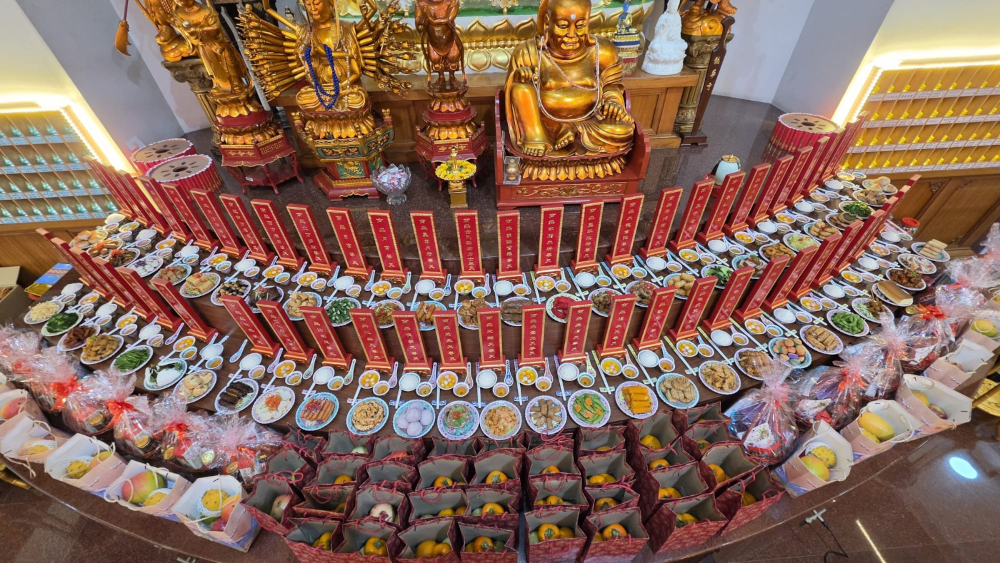
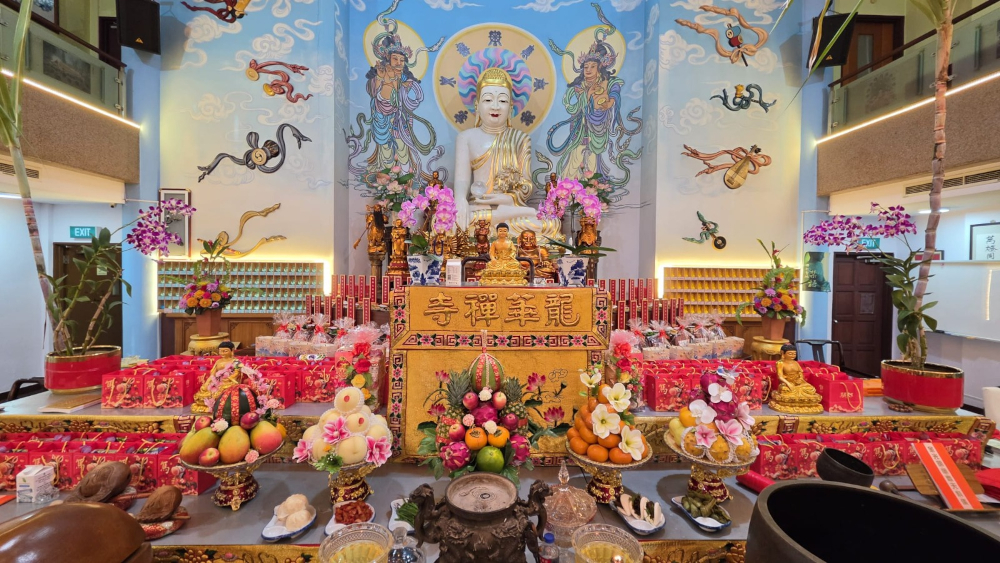
- 9:00am – 11:00am:Gòng Zhāi Tiān (供齋天) – Making grand food offerings to the heavenly protectors and Devas.
In the sequence of your 4-day retreat, this ceremony serves a brilliant practical purpose: it secures cosmic protection for your current life.
While the Emperor Liang Repentance (Scrolls 1–9) focuses on cleaning away past mistakes and debts, Gong Zhai Tian is about inviting the highest celestial guardians to actively watch over you, shield you from future misfortunes, and ensure your current path is smooth.
Here is a breakdown of its significance and why it is so highly regarded:
- Who Are the Devas (Tian)?
In Buddhist cosmology, the "Devas" or Heavenly Beings are not fully enlightened Buddhas, but they are powerful, highly virtuous beings living in celestial realms. Led by figures like Sakra Devanam Indra (Jade Emperor in folklore) and Brahma, these beings are deeply committed to protecting the Buddha's teachings (Dharma) and those who practice them.
When you participate in Gong Zhai Tian, you are specifically inviting the 24 Devatās (Twenty-Four Guardian Devas) to descend to the altar at Leong Hwa Monastery to accept a royal feast.
- The Core Significance for Living Beings
For someone looking to resolve obstacles in their daily life, this ceremony holds three major significances:
- Securing Divine Guardianship:By making exquisite offerings of food, incense, flowers, and lamps to these heavenly guardians, you create a direct karmic bond with them. In return, they vow to ward off negative spirits, disasters, accidents, and malicious people from your life.
- A "Thank You" Feast:These devas have spent the last three days witnessing you bow, repent, and clear your karma during the Emperor Liang Repentance. This ceremony is a formal banquet to thank them for standing guard over the temple and protecting your spiritual practice.
- Accumulating Rapid Mundane Merit:Because devas possess great cosmic power over the material world, making offerings to them is traditionally believed to bring quick blessings for career success, financial stability, family harmony, and sharp mental clarity.
- What the Ceremony Looks and Feels Like
Unlike the solemn, introspective bowing of the repentance scrolls, Gong Zhai Tian is a joyful, respectful, and highly dignified event.
- Chanting the Golden Light Sutra:The liturgy is primarily drawn from the Sutra of Golden Light (金光明經), where the devas themselves openly promise the Buddha that they will fiercely protect any country, city, or individual who recites or honours this teaching.
How to Focus Your Mind
During this two-hour morning session, you do not need to feel heavy-hearted or sorrowful about past karma. Instead, maintain a mind of deep respect, joy, and gratitude. As the monastics offer the food and incense, mentally pray that the heavenly protectors grant you and your family the health, safety, and smooth conditions needed so you can live peacefully and continue doing good deeds.
- 1:00pm – 2:00pm:Scroll 10 (第十卷) – The ultimate dedication, celebrating the completion of the text.
Scroll 10: The Ultimate Dedication & Blessings
The Theme: Perfect completion.
The Meaning: The text concludes with a glorious celebration of the Buddhas. You hand over every ounce of energy generated during the entire multi-day ceremony to the universe, praying that all beings reach enlightenment.
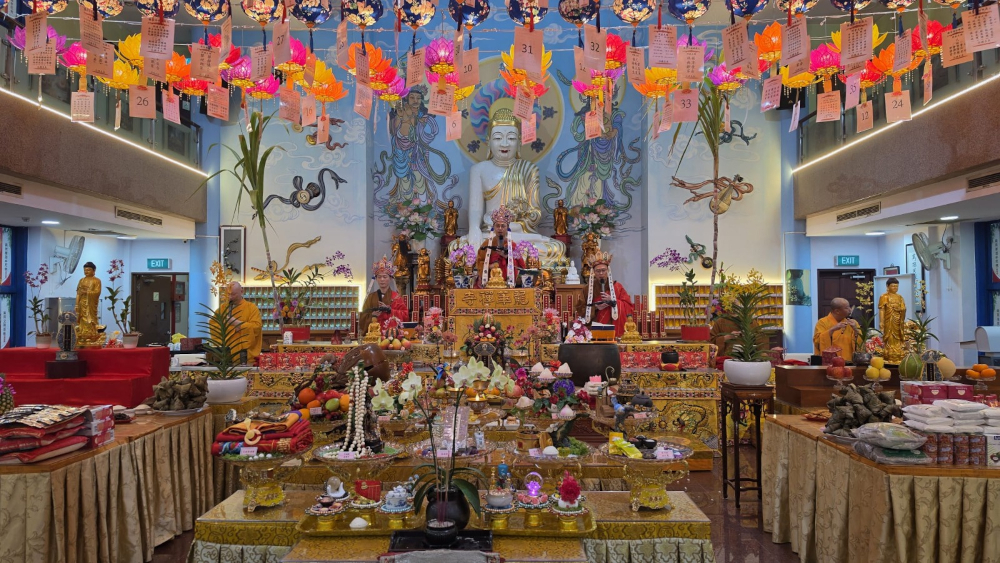
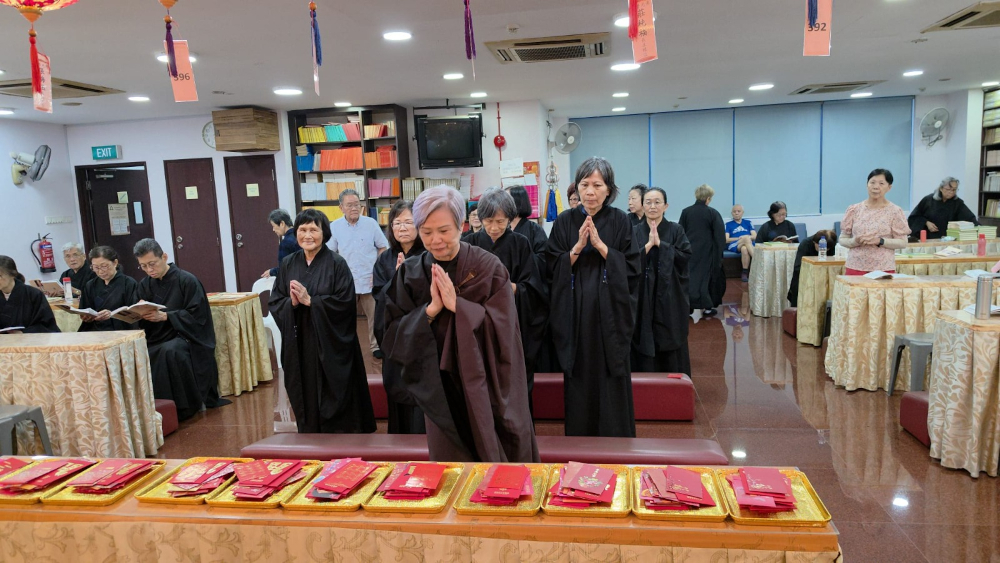
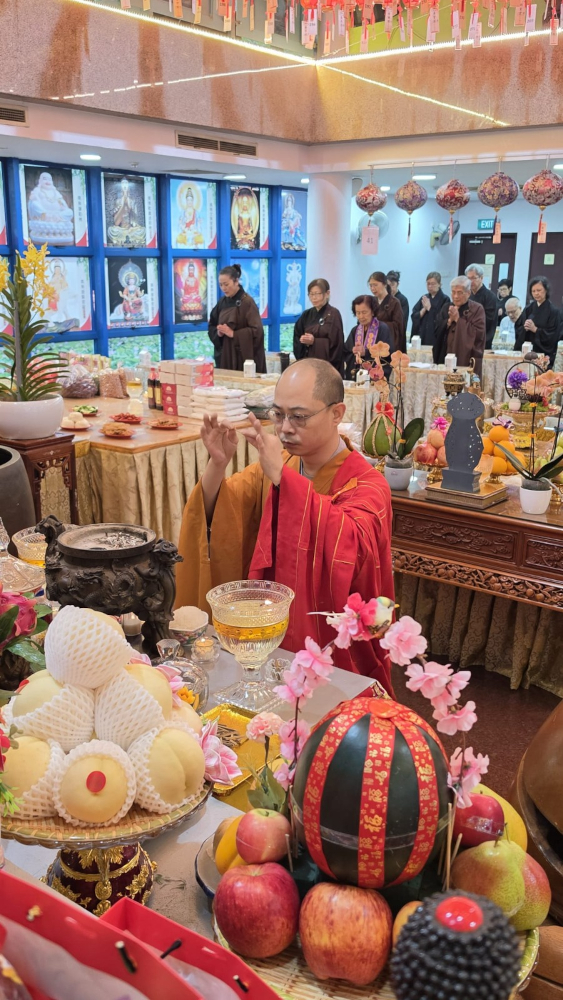
- 2:30pm – 5:30pm:Sān Dà Shī Yàn Kǒu(三大師焰口) – The Yankou Ceremony. This is a powerful, grand ritual where the monastics offer spiritual food and blessings to liberate hungry ghosts and wandering souls.
The Yankou Ceremony (放焰口 - Fàng Yàn Kǒu), officially known as the "Yoga Yankou Dharma Assembly," is the grand, multi-sensory finale of your 4-day event. In Chinese Buddhism, it is considered one of the most powerful and compassionate rituals you can witness.
The name Yankou literally translates to "Flaming Mouths," which refers to a specific class of hungry ghosts (Pretas) whose throats are as thin as needles, but whose bellies are as vast as mountains. Whenever they try to eat or drink, food instantly turns into burning charcoal or ash due to their intense negative karma.
Here is a summary of how the ritual works and why it completes your repentance process:
The Core Purpose: Spiritual Feeding & Liberation
The main objective of the Yankou ceremony is to offer universal relief to suffering spirits, wandering souls, ancestors, and forgotten beings who are trapped in lower realms.
Instead of just giving them physical food (which they cannot swallow), the presiding masters use esoteric Buddhist practices to transform the food and water into spiritual nectar. This magically opens their throats, cools their internal fires, and allows them to eat, drink, and find peace.
- The Master’s Role:Three main monks (the San Da Shi mentioned in your schedule) sit at a specially prepared altar. The lead master wears a distinctive Virochana Crown (a five-panel crown representing the Five Buddhas) and acts as the spiritual channel.
- Mudras and Mantras:The masters will perform intricate, continuous hand gestures (Mudras) while chanting hidden phrases (Mantras) and visualizing cosmic changes. These three actions combined (Body, Speech, and Mind) allow the transformation of food to happen.
- Throwing the Offerings:At various points in the ceremony, the monks will throw rice, sweets, and blessed water into the air. This physically symbolizes the distribution of food and blessings to the spiritual gathering.
Why It is Perfect for Resolving Your Obstacles
You might wonder: If I came here to resolve my own obstacles, why am I spending the last afternoon feeding ghosts?
- The Ultimate Act of Merits:In Buddhism, feeding the helpless and desperate creates an immeasurable mountain of good karma. By hosting or participating in this feast, you are accumulating massive spiritual wealth.
- Settling Disagreements Permanently:Some of those suffering spirits might be your own past-life adversaries or karmic creditors (Yuan Qin Zhai Zhu). By offering them spiritual nourishment and introducing them to the Dharma, you are turning past enemies into future spiritual allies. They leave satisfied and blessed, which naturally lifts the hidden blockages in your current life.
Closing Remarks: Carrying the Merits Forward
Over the past four days, we have undergone a profound spiritual journey—advancing from the deep emotional purification and honest reflection of the initial scrolls to the critical resolution of karmic debts, and finally to the joyful accumulation of universal blessings through the Gong Zhai Tian and Yankou ceremonies.
By dedicating our energy and sincere focus, we have successfully cleared away hidden obstacles, paid off spiritual debts, and generated an immeasurable pool of merit that will safeguard our path ahead.
Moving Forward into Daily Life:
- Maintain the "Clean Mirror":The heavy lifting of confession is complete, and our mind has been thoroughly cleansed. Guard this newfound mental clarity by staying mindful of our speech, actions, and thoughts in the days to come.
- Nurture the Bodhicitta Mind:We spent the last few days vowing to relieve the suffering of all sentient beings. Carry this expansive, compassionate energy into our daily interactions with family, colleagues, and friends.
- Trust in the Protection:Step forward with absolute confidence. Having settled past grievances and secured the divine guardianship of the celestial protectors, our current path is shielded, harmonised, and primed for peace and success.
May the immense merits generated over this retreat bring us and our loved ones continuous health, smooth conditions, and sharp wisdom. Keep this positive energy alive as we step forward into a brighter, unburdened future.
梁皇寶懺法會:為生者祈福的功德意義 (受生功德)
在東亞佛教寺院中(例如在舉行大型懺悔法會如《梁皇寶懺》期間),受生功德在實務上是指為陽上生人(活著的人)設立的消災祈福祿位或功德牌位。
寺院通常將功德項目的對象分為兩大類:
- 往生功德:此功德專門超薦超度亡故的祖先或眾生,祈願他們順利往生淨土。這能協助化解化除亡者過去的惡業,避免其神識受困於惡道或遭受業力牽引。(這是一項殊勝的孝道表現——用您自身的體力與梵音,為亡者開闢一條通往淨土的光明之路。)
- 受生功德:此功德則是專門迴向給陽上生人(您自己、家人或朋友),以此庇佑現世的生命旅程。
當有人以「受生功德」的形式向寺院做功德登記時,他們是在透過因果布施與功德迴向來達成以下目標:
祈願目標 | 具體說明 |
化解冤親債業 | 洗滌並「償還」過去生中所累積的無形精神債務或因果業債(受生債)。 |
消除流年諸障 | 驅散現世中眼前的逆境、宿疾、厄運或種種不順。 |
延壽增福庇護 | 積聚護身功德,以求得現世平安、身心康泰與未來旅途順遂。 |
雖然許多人常將《梁皇寶懺》與超度亡者聯想在一起,但事實上,這部懺法對於現世生人而言,在化解眼前障礙、清償業債以及扭轉現世運勢方面,同樣具有不可思議的強大威力。
依據佛教經典記載,活著的人參與此法會所獲得的利益,遠比亡者更為巨大。在《地藏菩薩本願經》中便明示:當我們為他人廣修功德時,「七分之中,而生者自利六分,功德唯留一分給受薦之人」。
誦持此懺本如何幫助生者化解生活中的障礙?
一、 核心機制:全然的誠實與發露懺悔
懺文就如同照見心靈的明鏡。它並非單純祈求佛菩薩揮揮手抹去厄運,而是引導禮懺者透過拜墊上的虔誠頂禮,有系統地去審視、承認並發露自身的具體惡業(如貪、嗔、癡或惡口等口業)。
- 心靈的釋懷:大聲地發露懺悔過錯,能夠斬斷內心深處的內疚感與潛意識的心理枷鎖。
- 阻斷惡業成熟:在佛教因果觀中,如果一顆惡業的種子被完全揭露,且禮懺者抱持著絕對的真誠心進行懺悔,這顆惡種便難以輕易萌芽成熟。這能直接化解或減輕您在事業、健康或人際關係中即將面臨的逆境與災禍。
二、 解冤釋結
這部懺法有極大的篇幅專門用於與我們在今生或過去生中所傷害過的「無形債主」及眾生進行和解。
現世生活中的種種障礙——例如突如其來的經濟損失、慢性且查不出病因的疾病、或是形同水火的怨敵關係——在佛法中往往被視為過去怨結的成熟。
透過誦持此懺文,您是在正式向過去所傷害過的眾生致歉,並將自身的功德與他們共享,這等同於在精神與因果層面上「還清」了宿債。
三、 發菩提心
懺文會將您的視野從自身的私利與苦惱中抽離出來。它引導誦持者發下廣大誓願,誓願去救度一切有情眾生,包括地獄道、畜生道與餓鬼道的受苦眾生。當您的心念從「求求佛菩薩解決我個人的問題」昇華為「願一切受苦眾生皆得解脫」時,您的內在磁場與磁場能量將發生翻天覆地的轉變。這種不可思議的廣大功德,自然會讓您個人微不足道的世俗障礙煙消雲散。
梁皇寶懺的結構與拜懺須知
《梁皇寶懺》是一項極需精神專注、體力耐力與絕對真誠心的殊勝法務。因為這部懺法結構宏大——橫跨十卷,且須禮拜千尊佛號——因此在東亞佛教中被譽為「懺中之王」。
此懺法最早是由梁武帝為其亡妻郗氏皇后所輯錄。郗氏皇后因生前嫉妒心重、造作諸多惡業,死後墮入惡道轉生為巨蟒。梁武帝不忍,遂請法師編纂此懺。藉由舉行此殊勝懺悔法會所產生的無量功德,郗氏皇后最終成功脫離惡道,超生天界。
為了協助您在即將到來的法會中獲得最大的法益,以下為您整理懺本的結構Progression以及如何做好心理準備:
懺悔法門的結構
這部懺本文理井然,旨在引導您一步一步地解開個人的命運諸障:
- 第一卷至第二卷(覺醒與發露):您將誦持關於發菩提心、斷疑生信、顯果報以及歸依三寶的章節。這是您放下執著的自我,準備坦然面對自身業力歷史的階段。
- 第三卷至第六卷(清償業債):這是整個法會中最核心的「消除障礙」章節。您將針對過去由身、口、意所造作的諸多惡業進行極為細緻的懺悔。同時,您也將正式為過去的冤家、債主以及被您傷害過的人舉行「解冤釋結」的儀式。
- 第七卷至第十卷(重生與圓滿功德):當負面的業障空間被清空後,懺文會引導您學習隨喜他人的功德、發下廣大誓願,並將這幾天所凝聚的龐大正能量與福德,無私地迴向給普天下的一切眾生。在此大公無私的迴向中,您自身的障礙亦隨之消融圓滿。
拜懺時的清淨心態
- 隨文入觀,勿視為交差劇本:懺文辭藻優美,多為與佛菩薩的直接對話與至誠祈請。當您隨眾口誦時,應試著去理解懺文的佛法義理,而非只是盲目地去追趕木魚的節奏。
- 功德全在至誠頂禮中:每當法會中唱誦到佛菩薩的名號時,全體大眾皆會大眾大朝。每一次的跪拜頂禮,都代表著對頑固「我執」的降伏與降伏——而我執正是我們人生一切障礙的根源。如果您因為膝蓋或腰部不適而感到體力不支,此時端身正立、雙手合掌(結印),其所蘊含的至誠恭敬心,與全然五體投地具有同樣的功德。
- 預期心靈與情緒的淨化:如果在進行到有關化解冤結的章節(如第五卷、第六卷)時,您心中突然湧起強烈的情緒起伏、感到疲憊甚至莫名落淚,請不要驚慌。這完全是業障消除、心靈與情緒得到淨化與釋放的正常宣洩現象。
透過全神貫注地投入這場禮懺,您是在為自己的心靈與現世的人生旅途進行一場深層的大掃除。
梁皇寶懺悔法會:典型的四天行程與觀想指南
法會序言(法會前觀想)
梁皇寶懺不僅僅是一場傳統的超度亡者法會,它更是一段為現世生人帶來深層心靈大掃除、全然誠實發露以及因果業障和解的殊勝旅程。透過有系統地引導參與者面對過去的錯失、解開宿世的冤親債結,並祈請宇宙級的護法庇佑,這場為期四天的法會將成為扭轉現世人生旅途的強大契機。如今,我們已對懺本的結構以及背後的佛法義理有了全面的理解,相信我們已做足準備,能以絕對清淨明朗的心、無量的感恩與至誠的專注,前往龍華寺參與即將到來的法會,從中獲得無邊無量的殊勝法益。
【第一天】—— 持誦第一、二、三卷
- 09:00am – 09:40am淨壇儀式
這是極為莊嚴的開端儀式,由僧伽法師灑淨以清淨壇場與道場空間。這也是您攝心守意、讓躁動的心平靜下來的最佳時刻。 - 第一階段:擦拭心鏡(第一卷與第二卷)
此階段的核心在於調柔心性、打破我慢與傲慢,並培養勇氣來面對自己過往的錯失。 - 10:00am – 11:00am第一卷:斷疑生信,皈依三寶
- 主旨主題:建立清淨的安全結界與心靈防線。
- 修行密義:您將由衷地皈依佛、法、僧三寶與諸大菩薩。發願放下一切懷疑與執著,深信自己的自性可以被完全洗滌清淨。同時在此處發菩提心,承諾此番禮懺不僅是為了自己,更是為了法界眾生。
- 1:30pm – 2:30pm 第二卷:發露懺悔,斷除驕慢
- 主旨主題:剝離表象的虛妄自我(我相)。
- 修行密義:這是真正懺悔的開始。您將公開承認,自己在此生或過去無量劫中,因無明、貪愛、嗔恨與愚癡造作了無量無邊的過錯。在諸佛面前完全屈下您高傲的身軀,以此洗滌隱藏在內心深處的內疚與傲慢。
- 第二階段:因果轉化(第三卷至第六卷)
這是法會最核心的「消災除障」階段。重點完全放在追溯惡業是如何形成的,並主動斬斷過去生中無形的 grievances 與業力紐帶。 - 2:50pm – 3:50pm第三卷:明信因果,洞悉業力
- 第二階段:因果轉化(第三卷至第六卷)
- 主旨主題:宇宙的因果法網。
- 修行密義:懺文在此處詳述了特定的惡因是如何感召特定的苦果(例如:惡口如何導致人際關係破裂,慳貪如何感召現世匱乏)。透過明白因果規律,您將洞悉自己現世所面臨的障礙背後的因緣。
- 當日心態觀想:深層掃除,誠實反省。
【第二天】2026年11月7日(星期六)—— 持誦第四、五、六卷
- 10:00am – 11:00am第四卷:顯果報,發慈悲心
- 主旨主題:培養同理心與大慈大悲。
- 修行密義:您將隨文誦讀到地獄道、餓鬼道與畜生道等三惡道眾生所遭受的無量劇苦。這不僅是對自身的一記警鐘,更重要的是為了激發您內在的慈悲心,去憐憫那些此刻正受困於惡道受苦的眾生。
- 1:30pm – 2:30pm第五卷【核心重要章節】:解冤釋結(上)
- 主旨主題:簽署因果的和平條約。
- 修行密義:這是化解現世世俗障礙最為關鍵的法會Session。您將直接向您的「冤親債主」——即您在今生或過去生中曾傷害、背叛、虧欠或偷盜過的任何眾生或靈祇——至誠致歉。祈願佛力加持,令他們放下對您的嗔恨與執著。
- 2:50pm – 3:50pm第六卷【核心重要章節】:解冤釋結(下)
- 主旨主題:圓滿和解與斷除業障。
- 修行密義:此卷為第五卷之延續。您將正式祈請諸佛如來作為因果的見證人,以您的真誠禮懺與誦經功德,「清償」過去的業債。祈願彼此之間歷劫的怨恨與負面糾纏在今日徹底斷除、冰釋消融。
- 當日心態觀想:修復關係,還清宿債。心中默默向那些您曾有過過節或曾傷害過的人致歉。
【第三天】2026年11月8日(星期日)—— 持誦第七、八、九卷
- 第三階段:廣植福田,積累資糧(第七卷與第八卷)
在負面的惡業被淨化後,您開始積極地在這個清淨的心靈空間中,灌注無量的正能量與福德資糧。 - 10:00am – 11:00am第七卷:隨喜功德,斷除嫉妒
- 主旨主題:根除嫉妒的毒害。
- 修行密義:為了解脫對治心中微細的嫉妒心,您將在此積極地讚歎並隨喜一切諸佛、聖賢以及一切凡夫眾生所做的一切善法、智慧與福德。這能迅速拓寬您自身承載福報的格局。
- 1:30pm – 2:30pm第八卷:發大誓願,迴向恩師父母
- 主旨主題:規劃光明的未來。
- 修行密義:您將發下廣大無邊的誓願,承諾護持正法、廣行善事、利益眾生。同時,將此功德特別迴向給特殊的恩人對象:生身父母、授業恩師、親朋好友以及法界有情。
- 第四階段:圓滿解脫(第九卷與第十卷)
這是禮懺的宏大尾聲,功德普遍迴向,令您與眾生一同融入究竟的清淨和平之中。 - 2:50pm – 3:50pm第九卷:代三界六道眾生禮佛懺悔
- 第四階段:圓滿解脫(第九卷與第十卷)
- 主旨主題:無私的同體大悲。
- 修行密義:您將代表地獄、天界、人道及鬼道等所有無法親自前來禮佛的受苦眾生頂禮。當您挑起這份代眾生懺悔的普賢願王責任時,您個人的功德將呈幾何級數增長,而殘留的個人障礙亦將在廣大心量中消融。
- 當日心態觀想:轉向法喜、無量感恩與心量擴展。沉重的懺悔已經過去,現在是用正能量填滿心靈的時刻。
【第四天】2026年11月9日(星期一)—— 持誦第十卷與法會大圓滿
- 9:00am – 11:00am供齋天儀式(齋天法會)
在四天的閉關式法會序列中,齋天儀式具有極其殊勝的現世功德:為您的現世生活祈請宇宙級的護法庇佑。
如果說《梁皇寶懺》(第一至九卷)的重心在於清淨過去的罪障與夙債,那麼「供齋天」則是正式迎請位居天界的諸天護法善神護持,積極庇佑您未來免受橫禍災難,確保現世修行的菩提大路平坦順遂。
- 二十四諸天是誰?:在佛教宇宙觀中,「諸天」或天人是天界中極具大威德、大福報且深信正法的眾生。在帝釋天(民間俗稱玉皇大帝)與大梵天的率領下,這些天神發願護持佛法,並庇佑一切如法修行的佛弟子。當您參與供齋天時,是在特別迎請二十四諸天降臨龍華寺壇場,接受殊勝的法供養與香齋妙供。
- 對生者的現世意義:對於希望化解現世世俗障礙的居士而言,齋天有三大殊勝利益:
- 得天神庇護:藉由敬獻精緻的齋食、香、花、燈等供品,您與諸天結下了清淨的善緣。作為報答,護法諸天會發願為您驅散惡鬼神、化解災橫、出入平安,並遠離惡人傷害。
- 感恩諸天護壇:在過去三天您拜懺懺悔時,諸天護法一直在默默守護道場。這場宴席是為了答謝他們過去幾天對大眾精進修行的護持。
- 迅速積累世間福報:天神在物質世間擁有極大的威神力,因此傳統民間深信,供天能夠迅速感召事業順遂、財源增盛、家庭和睦以及心智清明的現世現報。
- 當下心態觀想:與禮懺時沉穩 introspective 的氣氛不同,齋天法會是一場充滿法喜、恭敬且無比尊貴的盛會。大眾將諷誦《金光明經》中的章節。經中諸天親自向佛陀承諾,凡有誦持或恭敬此經的國土或個人,他們定當全力護持。此時請保持恭敬、法喜與感恩的心,祈願護法諸天庇佑全家平安,賜予順遂的現世資糧,以便能無後顧之憂地廣修善。
- 1:00pm – 2:00pm第十卷:功德大迴向,慶讚圓滿
- 主旨主題:功德圓滿。
- 修行密義:懺文在最終章以對諸佛的無上讚歎作為圓滿尾聲。您將這四天四夜所凝聚的每一絲清淨功德,悉數奉獻迴向給無邊法界,祈願一切有情同登彼岸、共證菩提。
- 2:30pm – 5:30pm三大師瑜伽焰口施食法會
「放焰口」是整場四天法會中最具震撼力、融合多感官的慈悲大圓滿終章。在漢傳佛教中,這被公認為是最具慈悲與威德的度亡 rituals 之一。
「焰口」之名直譯為「燃燒的嘴巴」,指的是一類特種餓鬼。他們因過去惡業感召,喉嚨細如針孔,腹大如山。每當他們試圖進食時,食物碰觸到口唇便會化為猛烈火炭灰燼,痛苦不堪。
- 2:30pm – 5:30pm三大師瑜伽焰口施食法會
- 焰口施食的核心宗旨:此儀式旨在無差別地救度、布施受苦的幽冥眾生、孤魂野鬼、歷代先遠考妣以及被世人遺忘的無祀孤魂。主法法師(即日程表中所述的三大師)將座於法座上,主尊法師頭戴毗盧帽(象徵五方佛),化身為慈悲的觀音大士或面燃大士,運用「身結密印、口誦真言、意專觀想」三密相應的威德,將上妙供品與清淨水化為甘露法食,加持開通餓鬼的針喉,令其免受火毒煎熬,得以飽餐法味、聽聞佛法,從而往生善道。
- 為何放焰口能化解您現世的障礙?:您或許會問:「我來參與法會是為了解決自己的障礙,為何最後一個下午要花時間去餵食餓鬼眾生?」
- 無上布施福田:在佛法中,布施給最無助、最飢餓受苦的幽冥眾生,能產生無法限量的廣大現世功德。這是一場極其殊勝的廣修供養。
- 與宿世怨敵化敵為友
:那些在陰界受苦的孤魂中,很可能正包含著您過去生中的冤家、仇人或業力 creditor(冤親債主)。當您出資或出力成就這場甘露法食法會,讓他們得到飽足並聽聞佛法得度時,您實際上是在將過去的「宿怨」轉化為未來的「法緣」。他們帶著滿滿的法益與感恩離去,不再糾纏,您現世生活中許多莫名的無形阻力與障礙,自然也隨之冰消瓦解。
結案語:圓滿功德,福慧前行
在過去的四天裡,我們經歷了一場深刻的心靈蛻變之旅——從前幾卷的深層情緒淨化與誠實發露,到因果債業的核心和解,再到最後透過「供齋天」與「瑜伽焰口」施食儀式,法喜充滿地積聚了無量無邊的法界福德資糧。
透過我們至誠的專注與功德付出,我們已成功洗滌了無形障礙、化解了宿世怨結,並凝聚了無量的功德法財,這將化為我們未來菩提大路上的堅實護航。
回歸日常生活的現世行持:
- 恆持「心鏡」的清淨:深層的懺悔已經圓滿,我們的心靈已得到徹底的洗滌。在未來的日子裡,請透過時時觀照我們的身、口、意三業,來小心守護這份得來不易的心靈清明。
- 滋養廣大的菩提心:在過去幾天的禮懺中,我們一再發願要救度一切受苦的六道眾生。請將這份慈悲寬廣的能量帶回日常生活中,體現在我們與家人、同事及朋友的每一次互動中。
- 滋養廣大的菩提心:在過去幾天的禮懺中,我們一再發願要救度一切受苦的六道眾生。請將這份慈悲寬廣的能量帶回日常生活中,體現在我們與家人、同事及朋友的每一次互動中。
- 深信護法的隨身庇佑:請帶著絕對的信心大步前行。既然過去的冤結已然冰釋,且已至誠迎請了諸天護法的善神護持,我們現前的道路必將得到福佑與調和,為我們迎來現世的平安、和諧與順遂。
願這四天四夜所凝聚的殊勝功德,庇佑我們與所愛的家人身心康泰、六時吉祥、福慧增長。請珍重並延續這份清淨的正能量,當我們昂首邁向更加光明、毫無罣礙的未來。
Dharma Education: Integrating Buddhism into Daily Life
Our Dharma education programme moves Buddhist teachings from the altar into your everyday life. We focus on practical application, transforming the Buddha’s teachings into actionable modern tools to create a better future for ourselves.
Our Core Philosophy: Living the Dharma
True Buddhist practice happens outside the chanting hall. It thrives in your workplace, your home, and your daily relationships. Our educational courses help you cultivate mindfulness, emotional resilience, and active compassion. You will learn to navigate modern life’s challenges using the Buddha’s timeless insights.
Class Schedule & Lineage
- Time: Every Sunday from 9:00 am to 10:00 am (prior to our Sunday Group Practice).
- Instructor: Conducted by Venerable Wei Ding, a graduate of the inaugural 4-year Buddhist studies
programme at the prestigious Wuxi Ci'en Buddhist Academy in Jiangsu. - Curriculum Oversight: To ensure scriptural accuracy and effective pedagogical standards, all topics are
adapted from dharma talks and books written by our Honorary Advisor, Venerable Tsang Hui, and our
Special Advisor, Venerable Sek Meow Ee, both of whom possess immense experience in global Dharma
education.
Key Educational Programmes
- Mindfulness & Meditation for Modern Living: Practical techniques to ground your mind, reduce stress, and
maintain inner peace during busy workdays. - The Path of the Bodhisattva in Daily Choices: Interactive discussions on how to apply Buddhist ethics,
patience, and wisdom to everyday decisions. - Harmonious Relationships: Practical guidance on implementing deep listening and loving-kindness within
your family, workplace, and community. - Applied Buddhist Psychology: Classes focused on understanding the mechanics of the mind, managing
difficult emotions, and transforming negative habits. - Sutra Study for Daily Application: Structured sessions exploring Mahayana texts, extracting practical
lessons to overcome modern life obstacles.
佛學教育:將佛法帶入日常生活
我們的佛學教育課程,致力將佛法從供桌上升華至您的日常生活。我們著重佛法的「實踐與應用」,將佛陀的教誨轉化為具體的現代生活工具,為我們自身開創更美好的未來。
核心理念:活出佛法
真正的修行存在於禪堂與大殿之外。它在您的職場、您的家庭以及您的日常人際關係中生根發芽。我們的教育課程協助您培育正念、情感韌性(情緒管理能力)以及積極的慈悲心。您將學會運用佛陀恆古不變的智慧,來應對現代生活的各項挑戰。
課程時間與師承
- 時間: 每週日日上午 9:00 至 10:00 (於星期日定期共修開始前)。
- 授課法師: 由釋惟定法師主講。法師畢業於江蘇著名「無錫慈恩佛學院」首屆四年制佛學本科課程
- 課程監制: 為確保經義精準並符合優良的教學標準,所有教學主題均改編自本寺導師名譽顧問上藏下慧大和尚及特別顧問上妙下義大和尚之佛法開示與著作。兩位長老均具備極其豐富的全球佛學教育經驗。
核心教育課程
- 現代正念與禪修: 實用的修心技巧,助您在繁忙的工作日中安定心神、舒緩壓力,並保持內心的寧靜。
- 日常選擇中的菩薩道: 互動式研討,分享如何將佛教倫理、忍辱與智慧應用於日常決策中。
- 和諧人際關係: 提供實用指引,教導如何在家庭、職場及社區中實踐「深度聆聽」與「慈悲愛語」。
- 應用佛教心理學: 課程專注於理解心念的運作機制、管理負面情緒,並轉化不良習氣。
- 經典研讀與生活應用: 結構化地探討大乘經典,從中汲取實用智慧以克服現代生活的重重障礙。
Our Facilities 我們的設施
The Main Shrine - Level 2
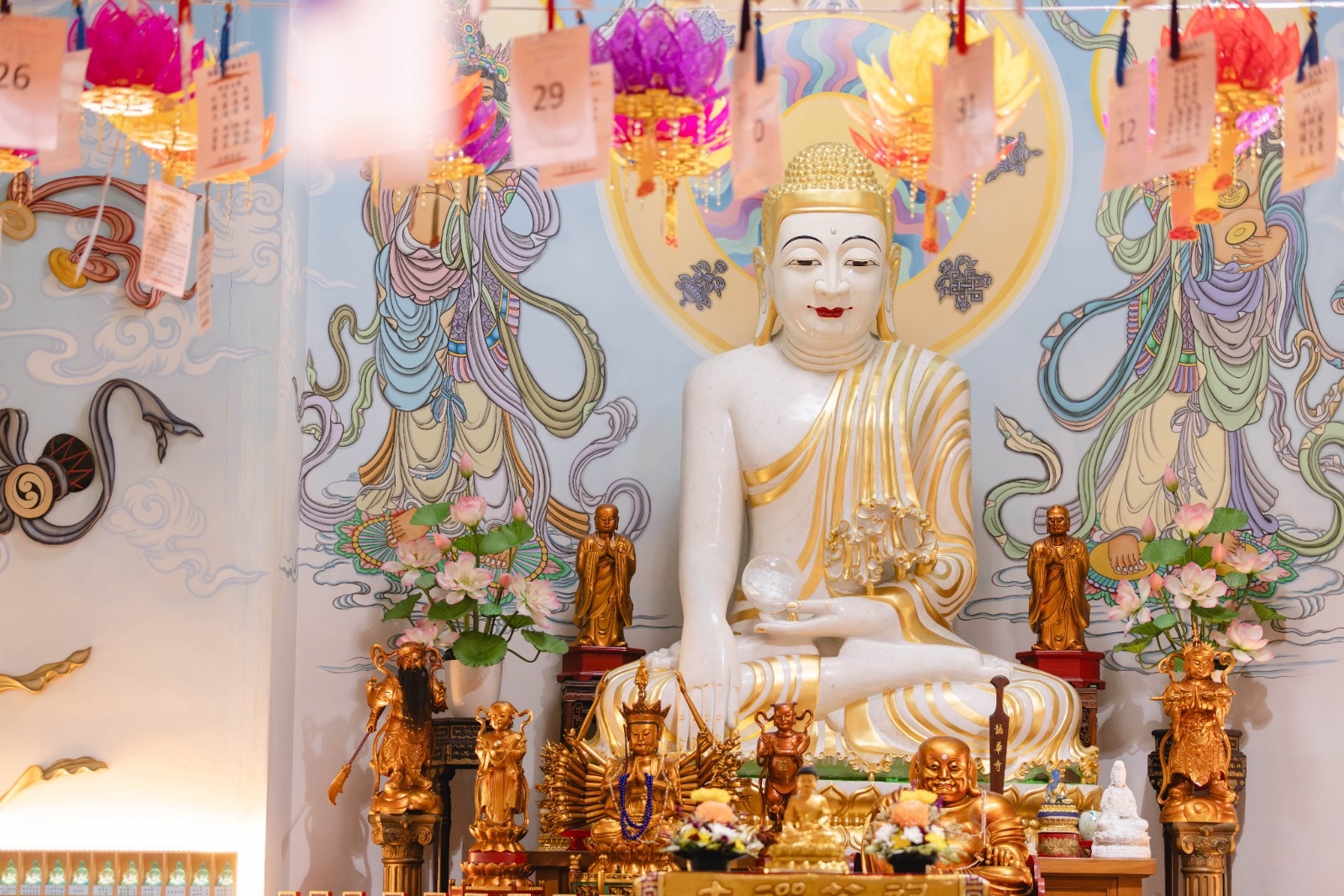
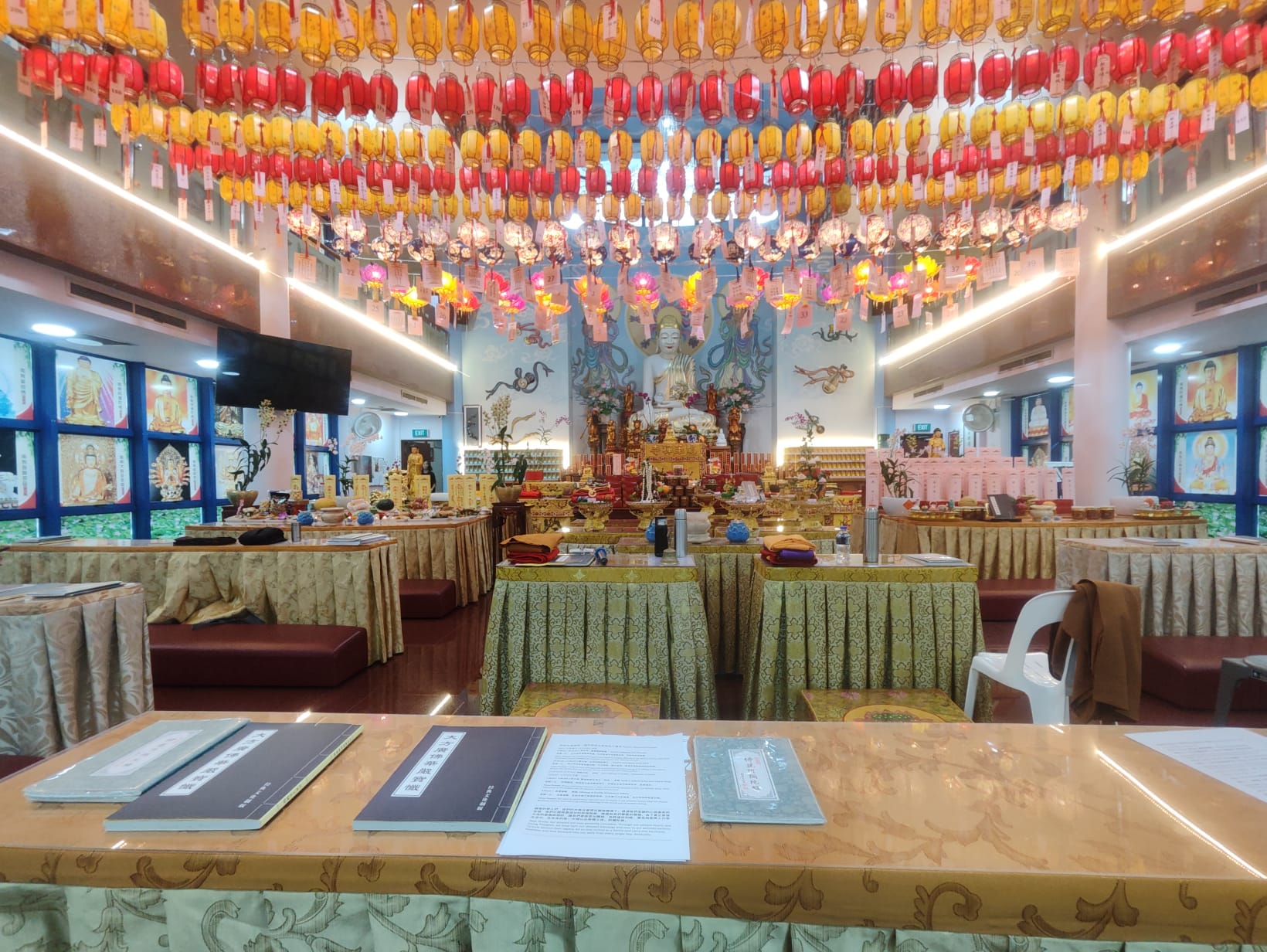
The Main Shrine (Daxiong Baodian) is the sacred heart of the Monastery - a serene and contemplative space designed to inspire inner peace, mindfulness, and spiritual reflection.
The Sacred Altar
At the centre of the shrine stands our Great Teacher, Sakyamuni Buddha, beautifully sculpted from pure white marble and adorned with gold leaves. A brilliant diamond rests upon his forehead, signifying his supreme and perfected enlightened wisdom. He is flanked by his two foremost atendant disciples:
- Venerable Ananda (Right): The Buddha’s cousin and personal attendant, revered as the Foremost in Hearing and Remembrance.
- Venerable Mahakasyapa (Left): Honored as the Father of the Sangha and revered as the Foremost in Ascetic (Dhuta) Practices.
Celestial Bodhisattvas & Guardians
The shrine hall also houses key figures representing the core virtues and spirit of Chinese Mahayana Buddhism:
- Maitreya Bodhisattva: The Future Buddha, embodying perfect loving-kindness and boundless joy.
- Avalokitesvara Bodhisattva (Guan Yin): Holding the pure water vessel and willow branch, representing infinite compassion and the easing of suffering.
- Ksitigarbha Bodhisattva: The Earth Store Treasury, represenƟng supreme filial piety and his great vow:
"Not until the hells are empty will I become a Buddha."
Guarding the rear of the main altar stand two devoted protectors of the Dharma (Sangharama Guardians): - Skanda (Wei Tuo) Bodhisattva (Far Left): He holds his vajra-staff horizontally across his joined palms. In monasƟc tradition, this specific posture indicates that our monastery does not provide overnight accommodation (Guadan) for travelling monks.
- Sangharama (Qie Lan) Bodhisattva (Far Right): Standing vigil day and night to protect the sacred grounds and the Triple Gem.
Sacred Art and Architecture
The spiritual narrative continues through the architecture of the hall. Mini Maitreya Bodhisattva statues are beautifully displayed on the upper wall shelves for devotional sponsorship and blessing. Hand-painted murals illustrating the Eight Aspects of Sakyamuni Buddha's Enlightenment line the upper walls. Additionally, every window features a dedicated painting of a Buddha or great Bodhisattva from the Mahayana tradition, including Amitabha Buddha (Infinite Light), the Medicine Buddha (Bhaisajyaguru), Mahasthamaprapta Bodhisattva, Manjusri Bodhisattva (Great Wisdom), and Samantabhadra Bodhisattva (Great Practice).
Visitor Information & Etiquette
This sacred hall serves as our primary sanctuary for daily morning and evening chanting, meditation, and Dharma teachings. All visitors are warmly welcome to join our services or sit in quiet reflection. To preserve the peaceful atmosphere of the Monastery, we kindly ask that you observe the following guidelines:
- Footwear: Please remove your shoes at Level One and place them neatly on the shoe racks before proceeding upstairs.
- Entering the Shrine: The Main Shrine is located on Level Two. Upon entering, please join your palms and pay homage to Lord Buddha with a deep bow or prostration.
- Mindful Movement: When standing or walking through the hall, please keep to the left or right sides. Kindly refrain from blocking the central aisle (Baidao), which is reserved for ceremonial bows.
- Silence: Please always maintain a respecƞul silence and speak in soft whispers to preserve the tranquillity of the sacred space.
大雄寶殿 - 二樓
大雄寶殿為本寺之神聖核心;殿宇肅穆、清淨莊嚴,是一處能令人內心祥和、契入禪思,並啟迪心靈與智慧的聖地。
莊嚴佛座
大殿中央正襟妥座者為本師釋迦牟尼佛。佛像由純白大理石精雕而成,身貼金箔;眉間嵌有璀璨鑽 石 , 象 徵 圓 滿 無 上 的 開 悟 智 慧 。佛陀兩側侍立著兩大脇侍弟子:
- 阿難尊者(右側): 佛陀的堂弟兼隨侍,被譽為「多聞第一」。
- 大迦葉尊者(左側): 被尊為僧團之父,被譽為「頭陀(苦行)第一」。
菩薩與護法聖像
殿內亦供奉著體現中國大乘佛教核心精神的諸大菩薩:
- 彌勒菩薩: 當來下生彌勒尊佛,代表圓滿的慈悲與歡喜。
- 觀世音菩薩: 手持淨瓶蓮花,代表大慈大悲、尋聲救苦。
地藏王菩薩: 大願地藏王菩薩,代表無量孝道與「地獄不空,誓不成佛」的宏大誓願。
在主壇城後方,供奉著兩位護持正法的伽藍護法:
- 韋馱菩薩(後方左側): 尊者雙手橫捧金剛寶杵。依據佛教叢林傳統,此合掌捧杵之相代表本寺不接待外來僧侶掛單留宿。
- 伽藍菩薩(後方右側): 威武守護道場,晝夜護持佛法僧三寶。
聖殿藝術與建築
聖殿的建築與細節皆融入了深厚的神聖典故。上層壁廊展示著供信眾認持供奉的微型彌勒菩薩聖像。牆壁上部繪有精美的釋迦牟尼佛八相成道壁畫。此外,每扇窗戶都繪有大乘佛教的諸佛與大菩薩聖像,包括阿彌陀佛(無量光佛)、藥師琉璃光如來(消災延壽)、大勢至菩薩、文殊菩薩(大智)以及普賢菩薩(大行)。
參訪指南與禮儀
本大殿為每日早晚課誦、禪修與弘法之清淨道場。我們誠摯歡迎所有訪客前來共修或隨喜靜心。
為維護道場的莊嚴與寧靜,請您協助配合以下事項:
- 脫鞋入內: 請在一樓脫鞋,並將鞋子整齊擺放在鞋架上,隨後前往二樓。
- 進入大殿: 大雄寶殿位於二樓。入殿後,請至心向佛陀合掌頂禮。
- 殿內禮讓: 在殿內禮拜或走動時,請靠左或靠右兩側通行,請勿在正中央位置(禮拜)長時間停留。
- 保持靜謐: 請全程保持輕聲細語,共同維護道場的清淨,莊嚴與安寧。
The Cundi Hall – Level 1
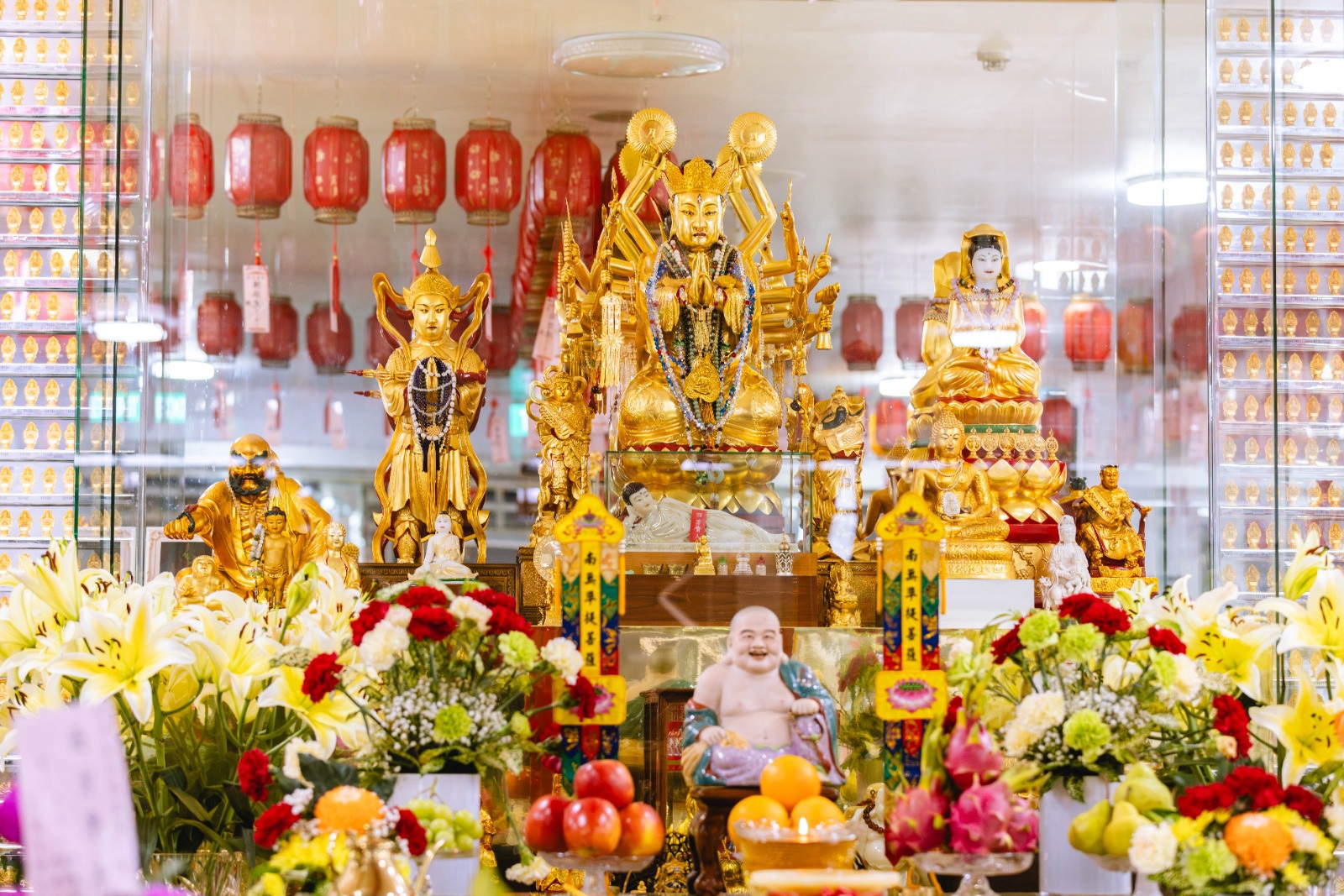
Located on Level One of our monastery grounds, the Cundi Hall serves as a sacred space dedicated to Cundi Bodhisattva, affectionately revered as the Cundi Buddha Mother. The word Cundi means "Supreme Purity," signifying the infinite generative power of enlightenment, compassion, and spiritual purification.
As you enter the Hall, you will be greeted by the magnificent, multi-armed form of Cundi Bodhisattva and her unique attributes: eighteen arms holding distinct sacred instruments - including the lotus of purity, the sword of wisdom, and the wheel of the Dharma. Each arm symbolizes one of the eighteen exceptional qualities and profound skilful means used to guide sentient beings toward liberation.
The Cundi Hall is sought by devotees looking to purify past negative karma, overcome life obstacles, and pray for protection against harm. Devotees may recite the powerful Cundi Dharani (Mantra), which is transcribed on the wall.
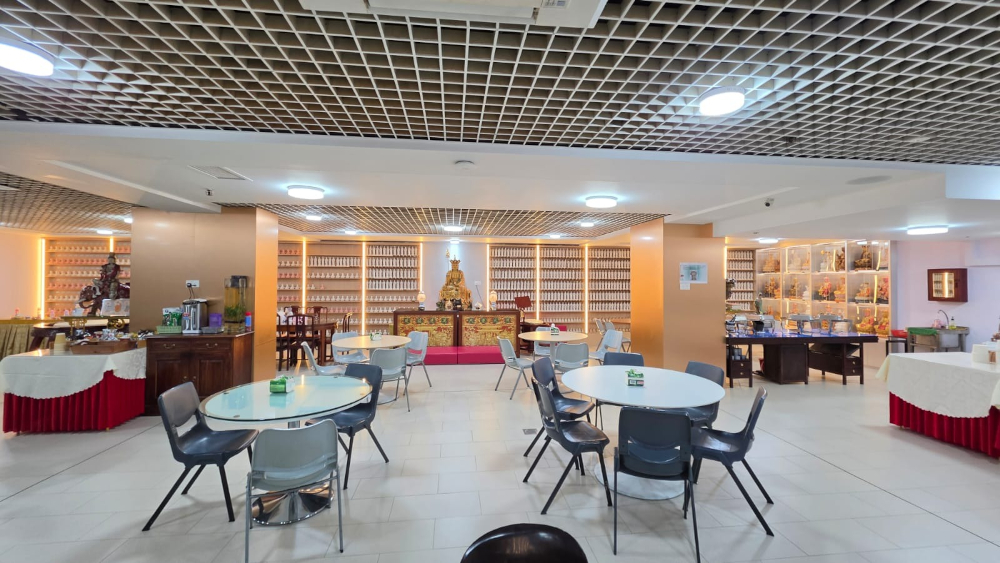
In addition to ritual worship, this sacred space transforms into our Dharma Dining Hall, where devotees and visitors gather to partake in vegetarian meals. In Buddhism, mindful eating is viewed as a form of continuous meditation. The presence of Cundi Bodhisattva reminds us to practice the "Five Contemplations" - eating with gratitude, humility, and moderation, regarding the food as medicine, and receiving nourishment solely to sustain our bodies for spiritual practice and the service of all sentient beings.
准提殿 - 一樓
本寺一樓設有准提殿,是一處供奉准提菩薩(亦被尊稱為「准提佛母」)的莊嚴聖地。「准提」意為「清淨」,象徵著覺悟、慈悲與精神淨化的無盡自性功德。
步入殿內,映入眼簾的是雄偉端莊、具足多臂的准提菩薩聖像。菩薩的十八隻手各執不同的法器——包括象徵清淨的蓮花、智慧的寶劍以及破除無明的法輪。每隻手臂皆代表佛陀的十八不共法(獨特的十八種卓越品質),以及引導眾生走向解脫的深廣方便法門。
眾多信徒前來准提殿,祈願消除往昔惡業、化解人生障礙並求取庇佑。信眾亦可隨手拈來,誦讀鐫刻於牆面上的《准提神咒》。
除了宗教儀軌之外,這座神聖的空間同時也作為本寺的(五觀堂)使用,供信眾與訪客在此享用素齋。在佛教中,正念飲食被視為一種不間斷的禪修。准提菩薩的護念時刻提醒著我們實踐「食存五觀」——帶著感恩、謙遜與節制的心態進食,將食物視為療癒飢渴的良藥,並藉由受食來滋養色身,從而精進修行、廣度一切眾生。
The Amitabha Hall & Ancestral Hall – Basement 1

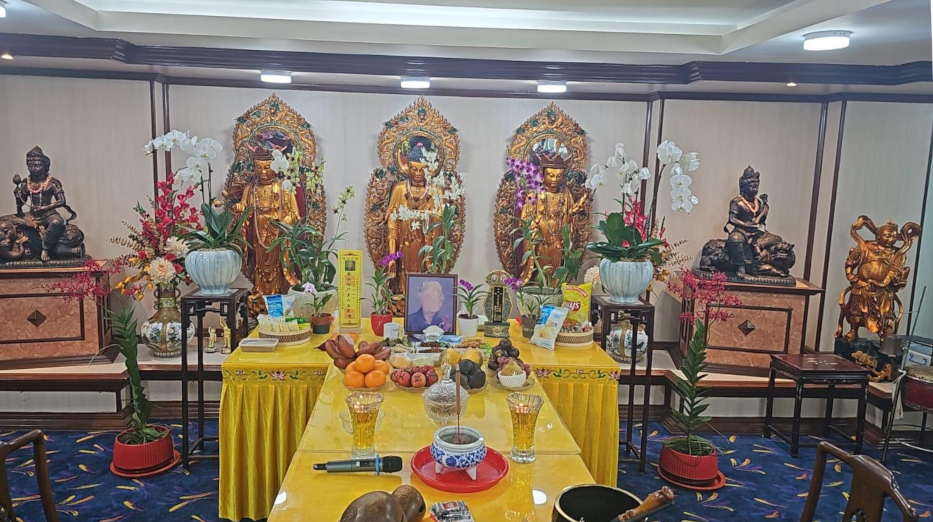
The Amitabha Hall serves as a profound bridge between our earthly lives, departed loved ones, and the ultimate peace of the Pure Land.
This sacred hall is dedicated to Amitabha Buddha (the Buddha of Infinite Light and Life). He is flanked by Avalokiteshvara (Guan Yin, Bodhisattva of Boundless Compassion) and Mahasthamaprapta (Great Strength Bodhisattva). Together, they are the Three Sages of the West, guiding souls to the Western Pure Land.
Significance of Ancestral Tablets

Ancestral Tablets

Ancestral Tablets
Families enshrine ancestral plaques within this hall as a sacred space for:
- Filial Piety: A physical location to honour, remember, and show gratitude to our ancestors.
- Spiritual Merits: Dedicating daily monastic chants, prayers, and light offerings to aid the journey toward liberation.
- Eternal Bonds: A comforting reminder that love transcends the boundaries of life and death.
活功德
A Place for Private Prayers
- Offerings: Devotees are welcome to offer incense, flowers, and light candles at family tablets.
- Cooperation Note: Please clear your offered items after prayers for the convenience of other devotees.
- Chanting: Perfect for quiet recitation of Amitabha Buddha’s name (Namo Amituofo) to bring inner peace.
Private Wake & Memorial Services
To support grieving families, the Monastery provides the Amitabha Hall for private funeral services.
- Dignified Farewell: Host intimate wakes within the comforting energy of the Three Sages.
- Sutra Recitayion: Space for monastics and families to chant sutras, ensuring a peaceful spiritual transition.
彌陀殿與祖先堂 - 地下室一 (B1)
彌陀殿是我們娑婆世界、往生親人與極樂淨土之間的殊勝橋樑。
本殿供奉阿彌陀佛(無量光佛與無量壽佛, 左右脅侍為觀世音菩薩(大慈大悲觀世音菩薩)與大
勢至菩薩(大智慧大勢至菩薩)。三尊合稱為西方三聖,慈悲接引並導引眾生往生西方極樂世。
供奉祖先牌位的功德意義
家屬于本殿內供奉祖先牌位,不僅是安奉先人的聖位,更具備以下深遠意義:
- 實踐孝道: 提供一個實體空間,供後代子孫緬懷、追思並感念父母、先祖與往生親人的恩德。
- 迴向功德:將寺院每日的課誦、祈願與供燈功德直接迴向給亡者,資助其往生淨土、圓滿解脫的資糧。
- 法緣長存:溫馨提醒我們,血脈相連與慈悲大愛能超越生死的界限,歷久彌新。
個人隨喜禮佛與修持
彌陀殿環境清淨莊嚴,適合信眾前來清淨身心、修持與反思。
- 隨喜供養: 歡迎信眾於各自的祖先牌位前供香、供花及點燈。
- 配合告示: 為利於其他信眾禮拜,敬請於祭拜圓滿後自行清理供品,保持殿堂整潔。
- 持名念佛: 此處亦是極佳的清淨空間,供大眾默照反思,或一心稱念阿彌陀佛聖號(南無阿彌陀佛),令存者與亡者皆得內心安寧。
專用停柩與追思服務
本寺深切體會痛失至親的悲慟,特開放彌陀殿供信眾舉辦私人治喪與禮誦佛事。
- 莊嚴告別: 家屬可在西方三聖的慈光護佑與攝受下,為先人舉辦莊嚴肅穆的告別儀式。
- 經咒誦持: 提供完善的佛教殯葬佛事空間,供法師與家屬誦經迴向,為亡者送上終極的精進資糧,確保其安詳往生。
The Ksitigarbha Hall & Columbarium – Basement 2
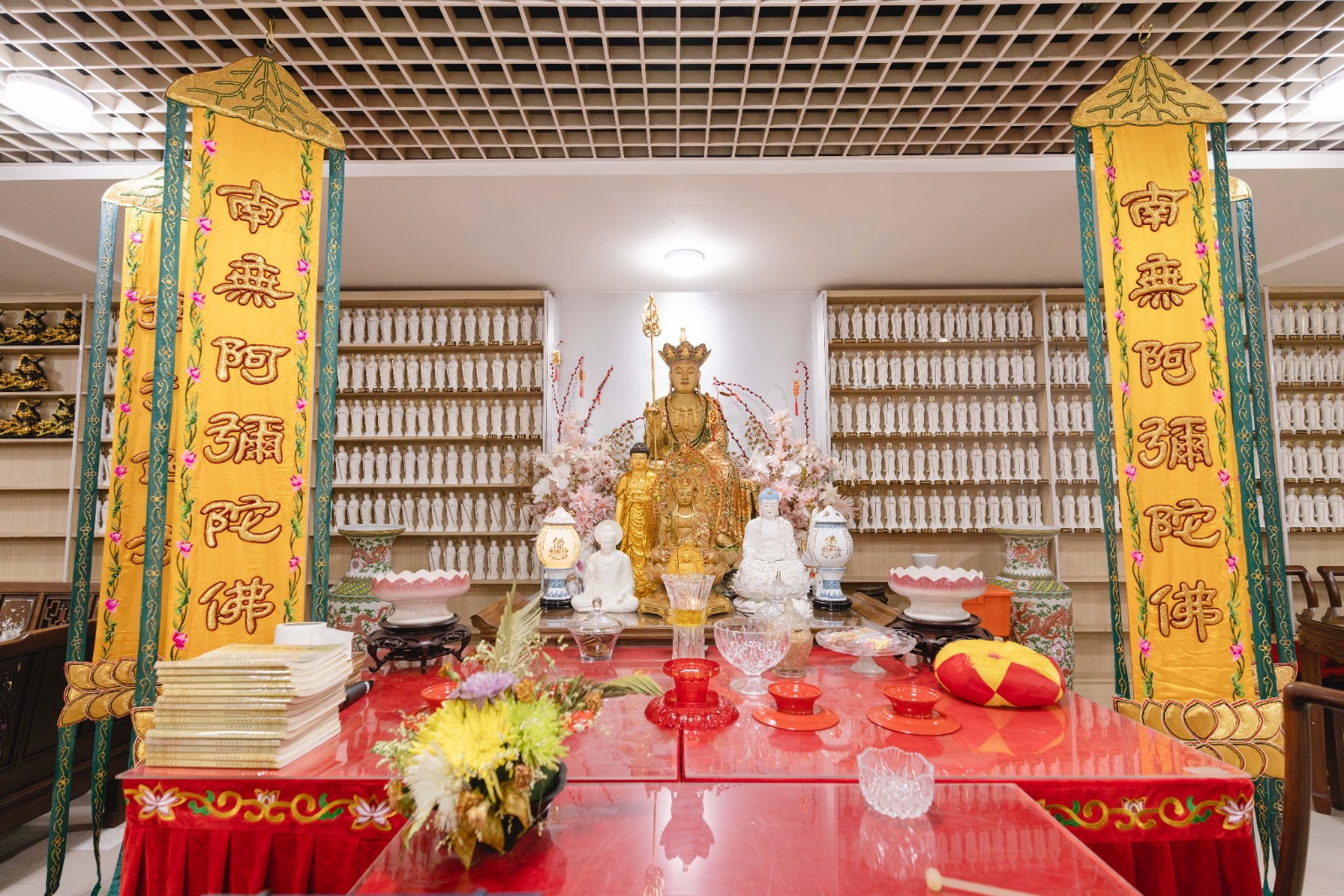
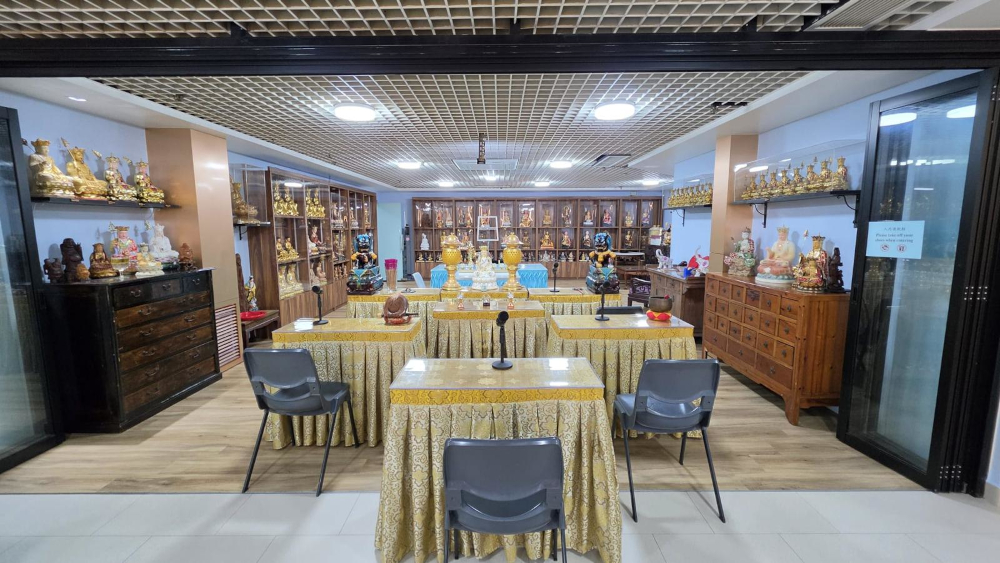
The Ksitigarbha Hall is a profound place of ultimate mercy, final resting, and eternal peace.
This hall is dedicated to Ksitigarbha Bodhisattva (Earth Store), universally revered for his compassionate vow: "Not until the hells are empty will I become a Buddha; only when all sentient beings are saved will I attain Bodhi."
Columbarium & VIP Suites

Columbarium

VIP Niches Hall

Double Niche

Single Niche
A dignified, clean, and spiritually charged environment for the final resƟng place of loved ones:
- The Columbarium: A serene space where ashes rest under the continuous blessings of the Triple Gem.
- VIP Suites: Exclusive, spacious, and premium seƫngs for families seeking a private area for remembrance.
Devotional Statue Sponsorship
The perimeter of the hall is lined with intricately crafted statues of Ksitigarbha Bodhisattva.
- Sponsorship Merit: Sponsor a statue to bring continuous protection and blessings to living family
members. - Karmic Dedication: Dedicate a statue to a departed loved one to guide their soul toward a favourable
rebirth.
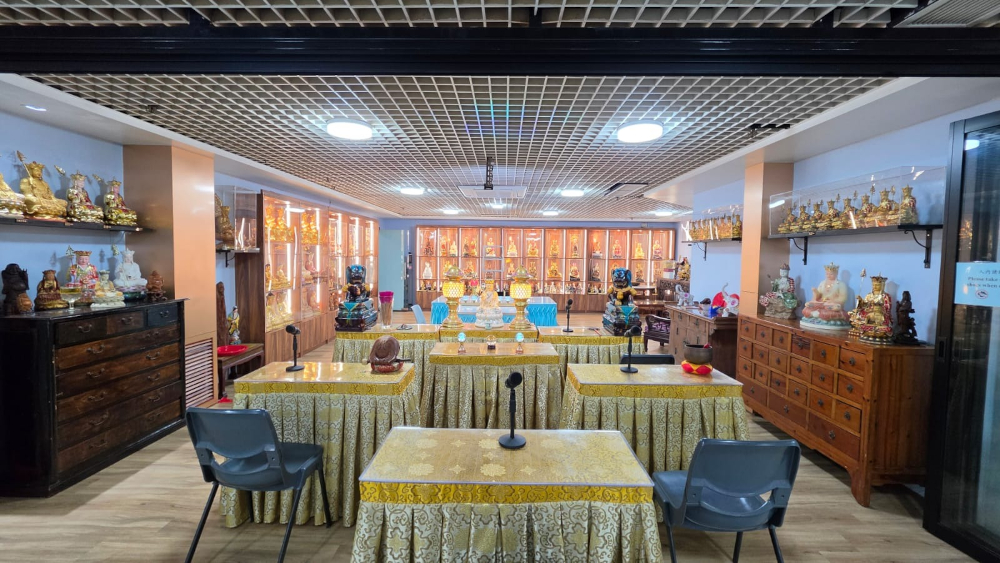
Private Wakes & Funeral Services
The Ksitigarbha Hall is fully equipped to host private wakes and memorial services during times of grief.
- Private Gatherings: A comforting environment for family members to pay their final respects.
- Ksitigarbha Sutra Chanting: Allows monastics and families to chant together, generating immense merit for the deceased.
地藏殿與納骨堂 -地下二樓 (B2)
地藏殿是一處展現大慈大悲、安奉先人與成就永恆安寧的殊勝殿堂。
本殿供奉地藏王菩薩。地藏菩薩以其深重宏大的悲願而廣受世人景仰:「眾生度盡,方證菩提;地獄不空,誓不成佛。」在菩薩的慈悲願力護佑下,本殿成為聯結陽上眷屬與往生親人之間的安慰橋樑。
納骨堂與 VIP 尊貴塔位
本殿提供莊嚴、潔淨且具足法益的清淨環境,作為先人骨灰的安息之所:
- 納骨堂: 空間清淨幽雅,令先人於三寶的常時加持與庇護下安詳長眠。
- VIP 尊貴塔位: 專為尋求更具私密性、寬敞與優質環境的家庭而設,提供一處寧靜尊貴的追思與緬懷空間。
供奉地藏菩薩聖像功德
本殿四周恭塑無數精美、莊嚴的地藏王菩薩聖像,齊發無量護佑慈光。
- 認捐供奉: 信眾可發心認捐供奉這些地藏菩薩聖像。
- 常時加持: 供奉聖像可為陽上眷屬帶來長時的庇護、福德與加持;亦可將此功德迴向往生親人,導引其神識往生善趣、得生淨土。
專用停柩與追思服務
為在信眾面臨深切哀痛時給予全然支持, 地藏殿配備完善設施,可承辦各類私人治喪與追思佛事。
- 私人佛事: 提供家屬一個溫馨、隱密的專用空間,向摯愛親人作最後的致敬與告別。
- 地藏經誦持: 供法師與家屬在此共同誦持《地藏菩薩本願功德經》,凝聚廣大功德資糧,確保先人平穩、安詳地踏上中陰與往生之路。